Wheat Ridge is close in and easy for us to reach. We install luxury vinyl plank, laminate, tile, hardwood, and stair flooring, and we remodel bathrooms from the subfloor up.
Wheat Ridge is one of the best places in the metro to find intact original hardwood, and that shapes almost every flooring conversation here. The city is dominated by 1940s to 1960s brick ranches on unusually large lots, most built with oak strip flooring that got carpeted in the 1970s and has been protected ever since. We find floors in near-original condition regularly.
Applewood, on the western edge, has larger and often custom homes on bigger parcels, many with additions built at different times. Additions mean floor height changes, different subfloor construction between sections, and transitions that need real thought rather than a trim strip.
Prospect Valley and Fruitdale are more consistently postwar ranch, with crawlspaces and predictable framing. These are among the most straightforward jobs we do, provided somebody checks the subfloor and the original wood before ordering new material.
Because so much of the housing here predates 1980, the question of what is under the current floor covering comes up more often in Wheat Ridge than almost anywhere else. That includes both hardwood worth saving and old vinyl that needs testing.
Water-resistant, wood-look flooring that holds up to pets, kids, basements, and Colorado's dry winters without the seasonal gapping you get with solid wood.
A cost-effective way to replace worn carpet across a whole floor, with modern styles and clean transitions between rooms.
Entryways, kitchens, laundry rooms, and bathrooms, set over a properly prepared substrate so the grout lines stay where they belong.
New hardwood installation, plus honest assessment of whether the original oak under your carpet is worth refinishing instead.
Treads, risers, and nosing that match the floor they connect to, which is the detail most people notice first and most installers rush.
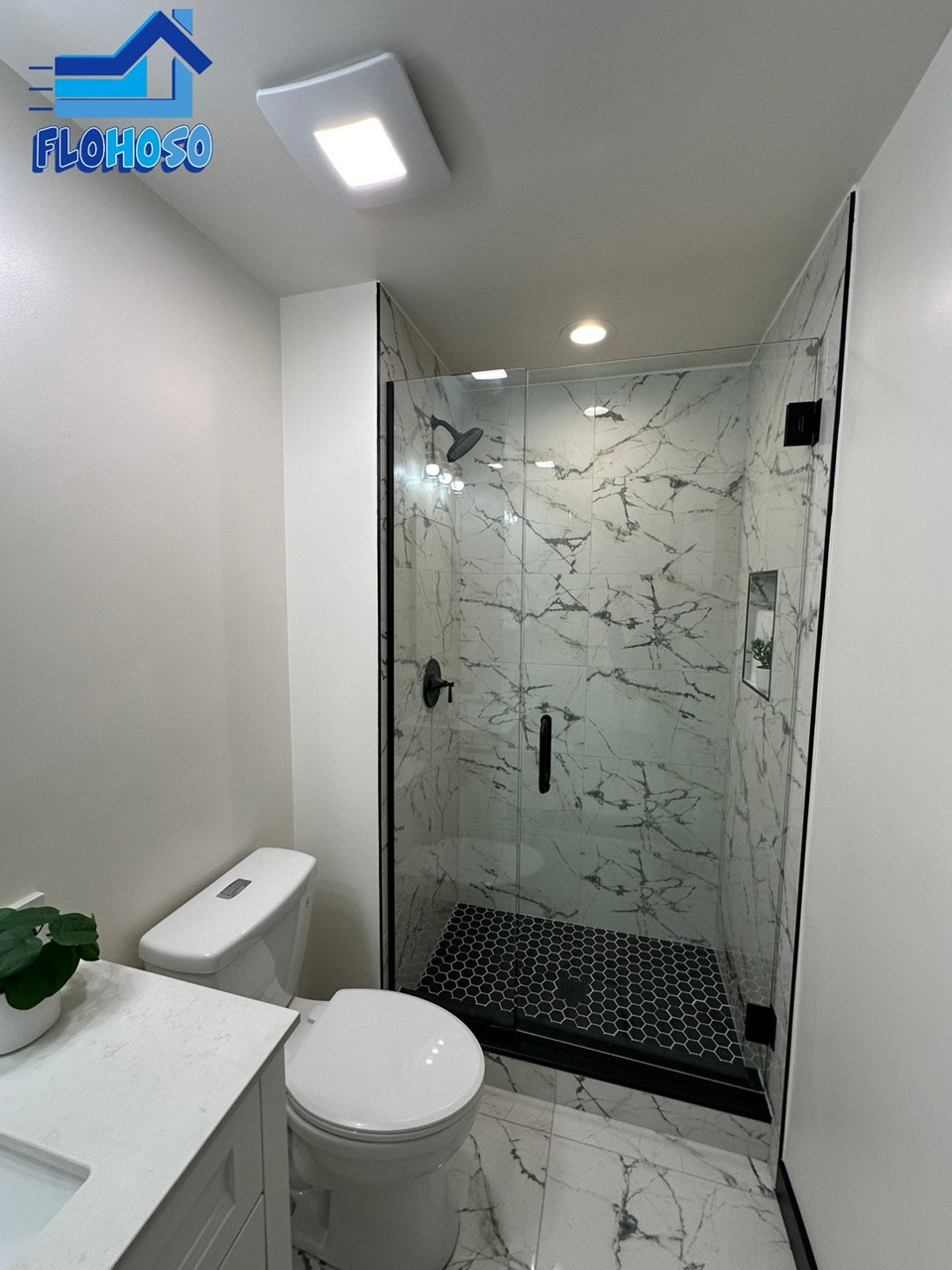
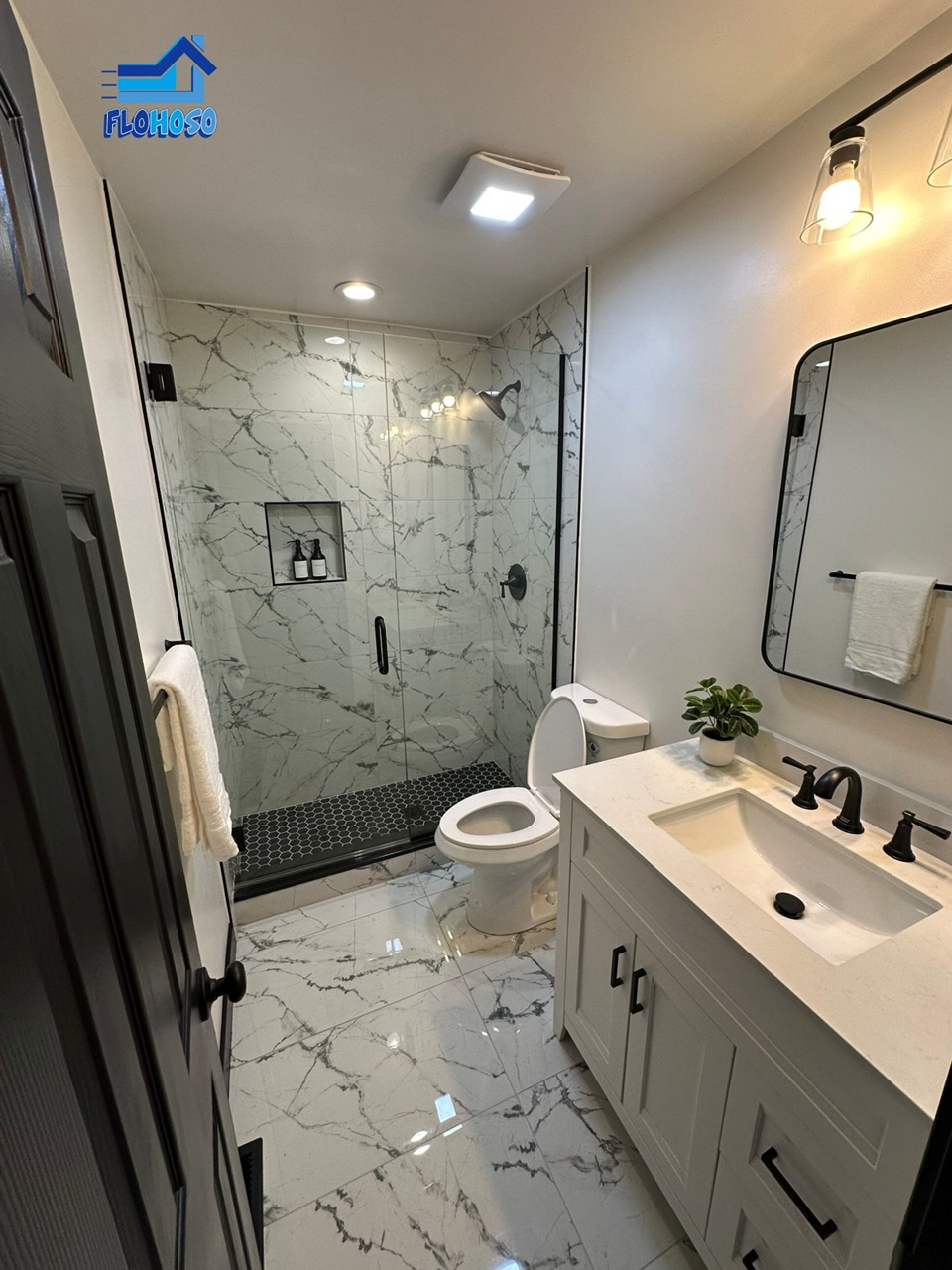
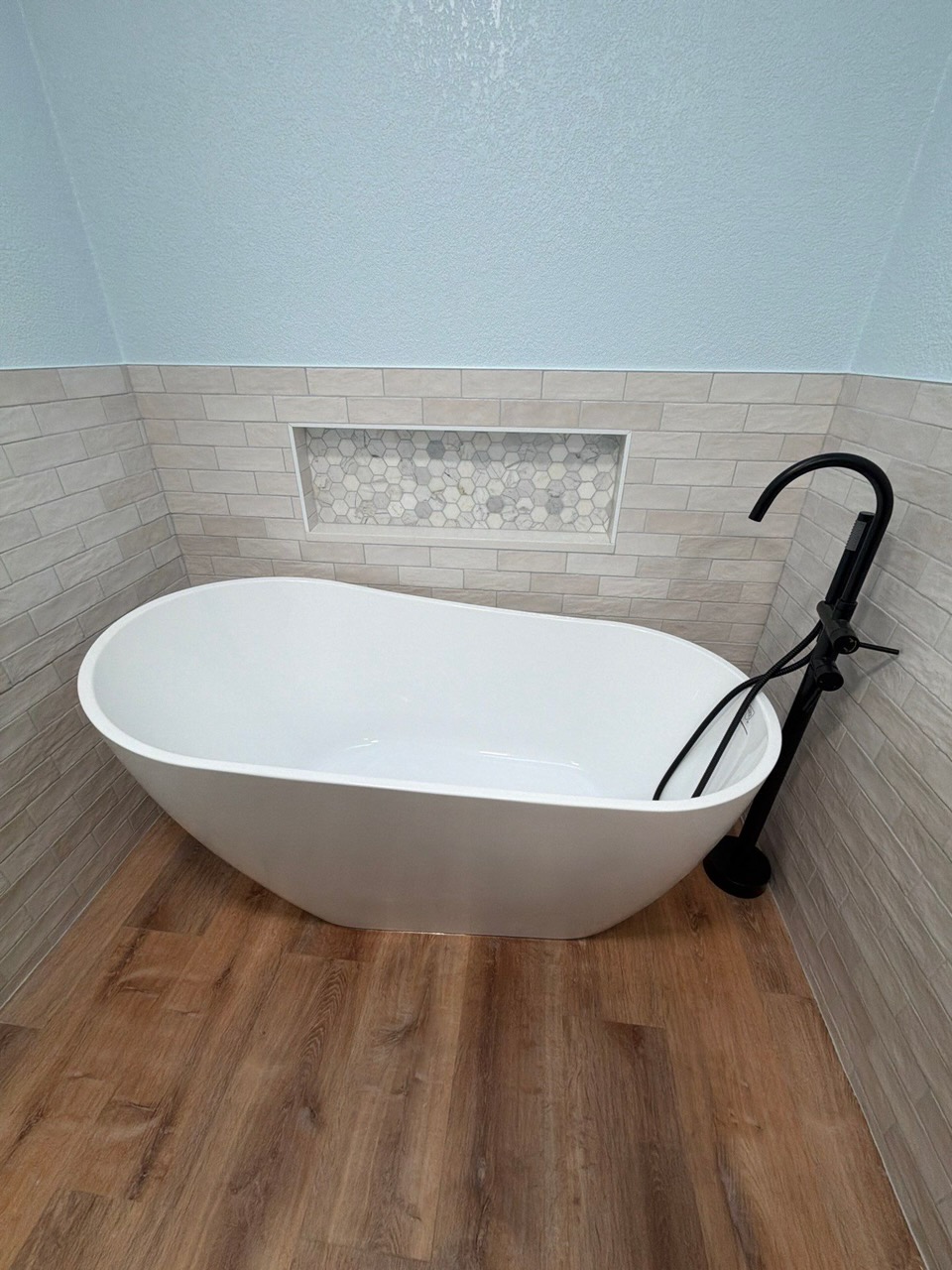
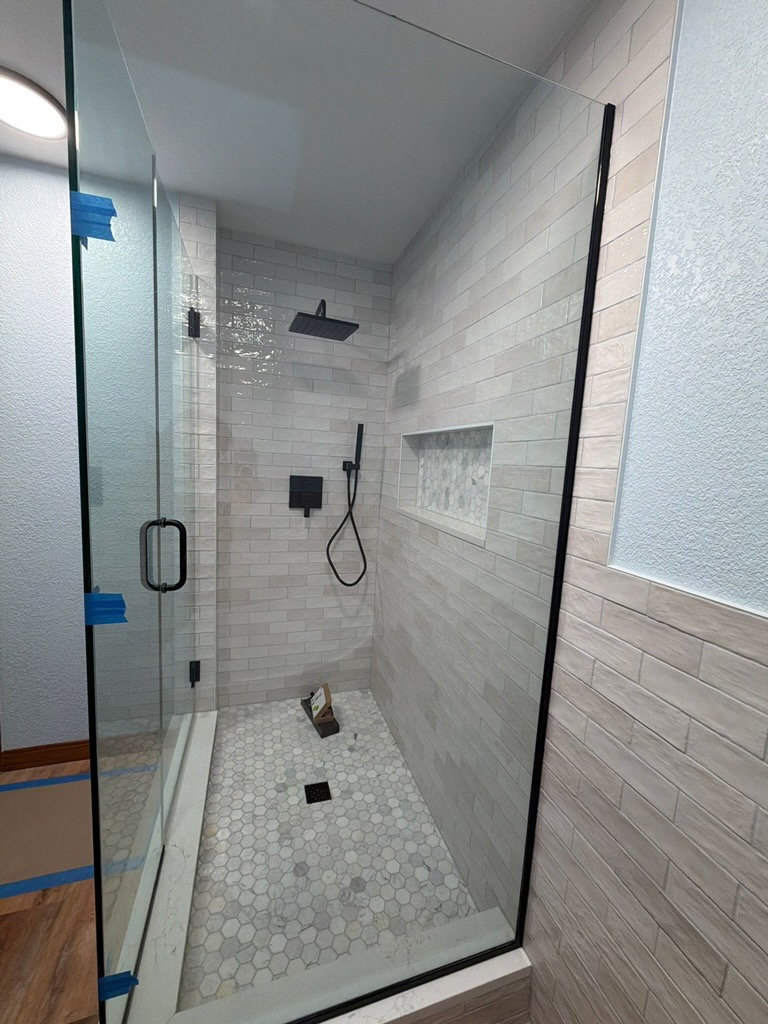
Shower surrounds, shower pans, niches, tub areas, vanities, fixtures, and the finish trim that makes the room look finished.
PLACEHOLDER — Orlando: describe one real Wheat Ridge job. Neighborhood, what the home was like, what you installed, anything that made it tricky. Two or three sentences. This is the only thing on the page a competitor cannot copy.
Pull back a corner in a closet or lift a floor vent and look at the edge of the opening. You will see the wood if it is there, and you can see roughly how thick it is. We do this during the estimate at no charge, because in Wheat Ridge it changes the recommendation often enough to be worth checking every time.
Generally yes, when the existing wood is sound. You are paying for labor and finish instead of labor plus material, and you end up with a solid wood floor rather than a manufactured one. It stops making sense when the boards have been sanded thin, when large sections are missing or damaged, or when the layout is changing anyway.
Either a designed transition at the joint, or building up the lower side to match. Which one makes sense depends on how big the height difference is and whether the addition has its own subfloor system. We measure before recommending, because building up a large area is a real cost and it is not always the right answer.
PLACEHOLDER — Orlando: typical timeline for an average job, and what pushes it longer.
Tell us what room you are working on and we will come look at it. No charge, no pressure, and a real number rather than a range.